NT5CB64M16FP-DII Deep Dive: Critical Timing & Power Specs for Engineers
Did you know that a mere 0.2ns violation in tRP (Row Precharge Time) can cause silent data corruption in industrial embedded systems? The NT5CB64M16FP-DII, a 1Gb DDR3 SDRAM component, remains a critical memory solution for legacy and mid-range designs despite the market shift toward DDR4/DDR5. This deep dive unpacks the exact timing parameters and power consumption profiles engineers must validate to ensure system stability, moving beyond basic datasheet reading to practical application insights.
Component Overview: Architecture & Key Characteristics
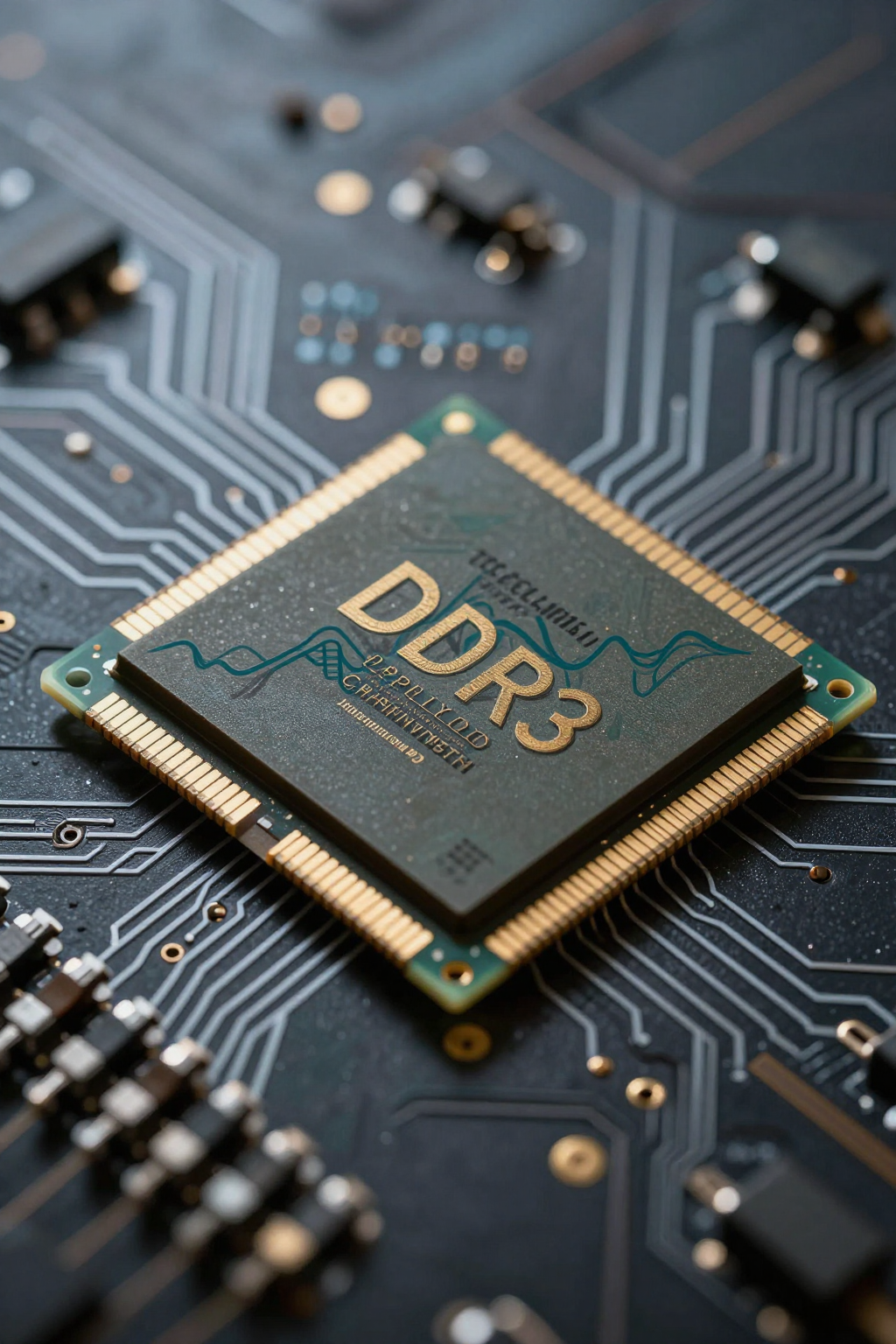
You need to understand the internal structure of the NT5CB64M16FP-DII to optimize controller logic. This component features a 64M x 16-bit organization, which directly impacts how you map addresses in FPGA or MCU controllers. The "DII" speed grade designation indicates it supports standard operating points at 800MHz (1600MT/s). When designing your board, consider the TFBGA-96 package dimensions carefully. Pinout compatibility with common PCB footprints is generally high, but thermal dissipation under full load versus idle states requires attention. You should monitor temperature variations, as they significantly affect timing margins and long-term reliability.
Critical Timing Specifications: Beyond the Basics
Mastering timing specs is essential for preventing data errors. Below is a breakdown of core latency parameters you must validate:
| Parameter | Typical Value | Max Value | Impact |
|---|---|---|---|
| tCL (CAS Latency) | 7 cycles @ 800MHz | N/A | Affects read command latency |
| tRCD (RAS-to-CAS Delay) | 15ns | 18ns | Determines row activation time |
| tRP (Row Precharge) | 15ns | 18ns | Critical for bank switching speed |
Temperature fluctuations tighten these margins. Additionally, you must configure refresh intervals correctly. The tREFI (Average Refresh Interval) and tRFC (Refresh Cycle Time) are vital for maintaining data integrity. For low-power standby applications, pay close attention to the entry and exit sequences for self-refresh mode. Incorrect handling here can lead to significant power waste or data loss during wake-up events.
Power Supply & Consumption Analysis
Stable power rails are non-negotiable. The nominal VDD/VDDQ voltage range is 1.5V, with acceptable tolerance limits of ±5%. You must implement clean power delivery strategies, including precise decoupling capacitor placement, to prevent noise-induced errors. Inactive states consume less current than active bursts. Break down current consumption during read/write operations versus precharge/idle states to estimate your total power budget accurately. This calculation is crucial if you are deploying this DRAM in battery-powered or energy-sensitive IoT devices.
Key Takeaways
- The NT5CB64M16FP-DII requires strict adherence to tRP and tRFC timing constraints to avoid silent data corruption.
- Thermal management and stable 1.5V power rails are critical for maintaining signal integrity in high-speed DDR3 buses.
- Engineers must plan for obsolescence by validating lifecycle status and exploring drop-in replacement options early.
Frequently Asked Questions
What are the primary timing specs for the NT5CB64M16FP-DII?
The primary timing specs include CAS Latency (tCL), RAS-to-CAS Delay (tRCD), and Row Precharge Time (tRP). At 800MHz, typical values hover around 15ns for tRCD and tRP. Violating these maximums, especially tRP, can cause data corruption.
How does temperature affect power specs?
Temperature variations directly impact timing margins and leakage currents. Higher temperatures can increase idle power consumption and reduce the effective operating window for critical timing parameters like tREFI, requiring more frequent refresh cycles.
Is the NT5CB64M16FP-DII obsolete?
Lifecycle status varies by supplier. Many sources indicate an "End-of-Life" or "Not Recommended for New Designs" status. You should check recent industry trends and supply chain volatility risks before committing to new production runs using this specific part number.
What is the recommended voltage range for the NT5CB64M16FP-DII?
The nominal VDD/VDDQ voltage range is 1.5V with a tolerance of ±5%. Stable power rails and precise decoupling capacitor placement are non-negotiable to prevent noise-induced errors in high-speed operations.